

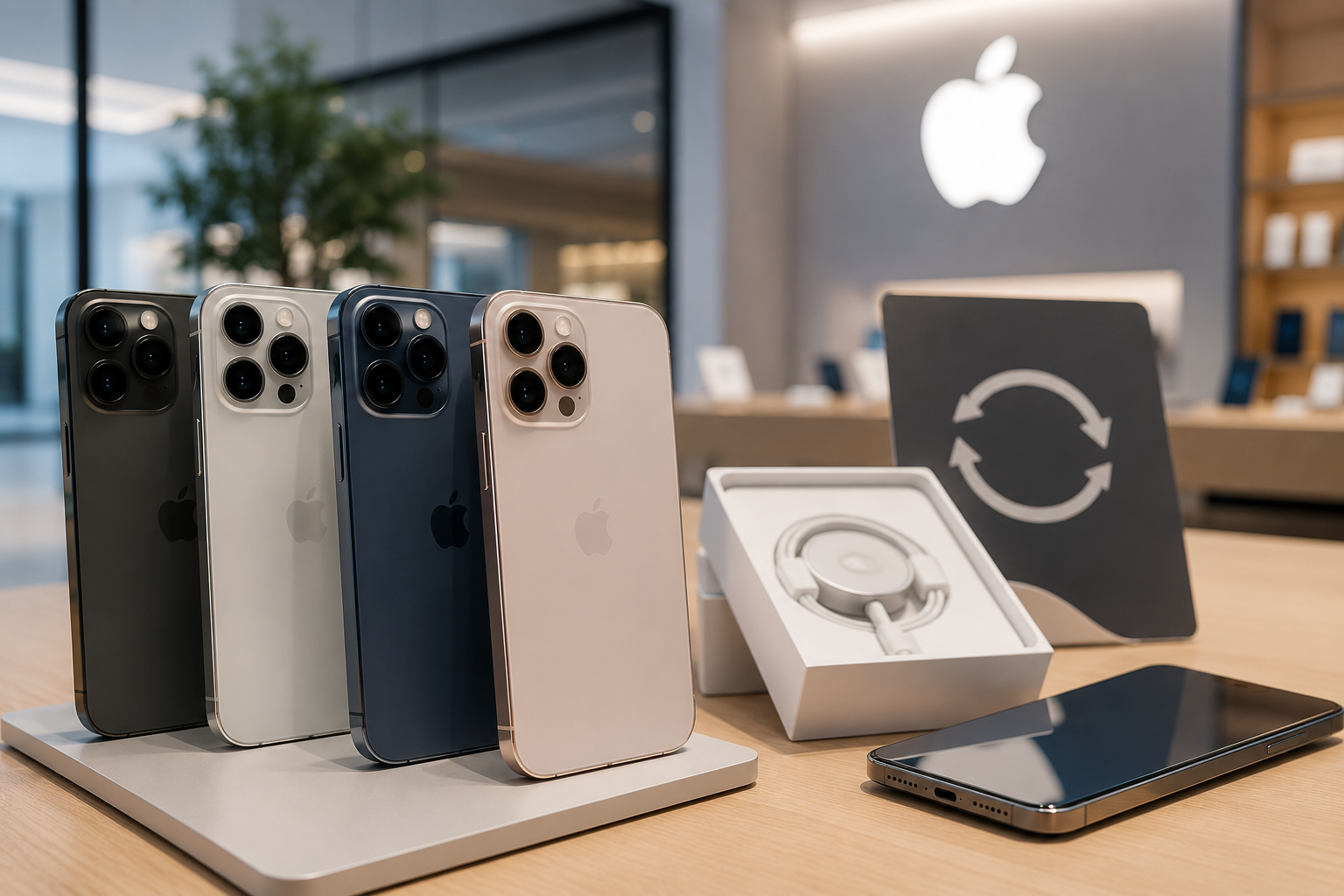
Apple is reportedly preparing a new device leasing program that could fundamentally change how millions of customers purchase iPhones. Rather than paying the full price upfront or relying on carrier installment plans, users may soon be able to subscribe to a monthly plan that allows them to upgrade to the latest iPhone model more seamlessly.
The move comes at a time when the global smartphone market has matured, replacement cycles are growing longer, and consumers are holding onto their devices for three to five years instead of upgrading every two years. For Apple, encouraging more frequent upgrades is becoming increasingly important as hardware sales face slower growth.
While Apple has built a robust ecosystem around services such as iCloud, Apple Music, Apple TV+, and AppleCare+, a dedicated hardware subscription could become another recurring revenue stream while making premium iPhones more affordable for consumers.
Why Apple Is Considering a Leasing Model
Over the past few years, flagship smartphones have become significantly more expensive. Premium iPhone models often cost well above $1,000, making many customers hesitant to upgrade every year.
A leasing model addresses this challenge by lowering the upfront financial burden. Instead of purchasing a phone outright, customers would pay a predictable monthly fee and gain access to automatic upgrades whenever a new eligible iPhone launches.
For Apple, this creates several advantages:
- Higher customer retention within the Apple ecosystem.
- More predictable recurring revenue.
- Increased upgrade frequency.
- Better control over refurbished device inventory.
- Greater opportunities to bundle Apple services.
The strategy mirrors successful subscription models that have transformed industries ranging from software to automobiles.
Financial Implications for Apple
The proposed leasing program could have a meaningful impact on Apple‘s financial performance over the coming years.
More Predictable Revenue
Traditional iPhone sales often fluctuate depending on the strength of each annual product launch. A subscription-based leasing program would smooth these fluctuations by generating recurring monthly income.
Investors generally value recurring revenue businesses more highly because they offer greater earnings visibility and stability.
Increased Customer Lifetime Value
A customer purchasing one iPhone every four years contributes less hardware revenue than someone upgrading every two years.
If the leasing model successfully shortens upgrade cycles, Apple could significantly increase customer lifetime value without relying solely on attracting new users.
Stronger Services Ecosystem
Apple is likely to integrate the leasing program with services such as:
- AppleCare+
- iCloud+
- Apple Music
- Apple TV+
- Apple One
Bundling these offerings increases average revenue per user (ARPU) while making it less likely that customers will switch to competing Android devices.
Better Inventory Management
Returned leased devices can be refurbished and resold in emerging markets, creating additional revenue opportunities while supporting Apple’s sustainability initiatives.
This circular approach also helps maximize the value of each device throughout its lifecycle.
Benefits for Consumers
The proposed program could make premium iPhones more accessible, especially in price-sensitive markets.
Potential benefits include:
- Lower upfront costs.
- Predictable monthly payments.
- Easier access to the latest iPhone.
- Simplified trade-in process.
- Continuous warranty and service coverage.
- Potential bundled subscriptions at discounted rates.
Instead of worrying about resale value, customers could simply exchange their current device for a newer model when eligible.
Challenges Apple May Face
Despite its advantages, a leasing model is not without risks.
Longer-Term Cost for Users
While monthly payments appear affordable, consumers may end up paying more over several years than purchasing a device outright.
Price-conscious buyers may still prefer traditional ownership.
Financing Risks
Apple would assume responsibility for financing millions of devices, including managing defaults, damaged returns, and depreciation.
This requires sophisticated logistics and financial risk management.
Regulatory Considerations
Subscription-based financial products often face varying regulations across different countries.
Apple would need to tailor the program for each market while complying with local lending and consumer protection laws.
Impact on the Smartphone Industry
If Apple successfully launches a large-scale leasing program, competitors are likely to follow.
Companies such as Samsung, Google, and other premium smartphone manufacturers may expand their own subscription and upgrade offerings to remain competitive.
The shift could gradually transform smartphones from one-time purchases into subscription-based products, similar to streaming services or software subscriptions.
For telecom operators, the move may also reduce reliance on traditional carrier financing, giving Apple greater control over the customer relationship.
What It Means for Investors
From an investor’s perspective, the leasing initiative represents more than a new payment option.
It signals Apple’s continued transition toward a recurring revenue business model.
Key metrics investors will watch include:
- Growth in subscription revenue.
- Changes in iPhone replacement cycles.
- Customer retention rates.
- Average revenue per user (ARPU).
- Gross margins after accounting for financing and refurbishment costs.
If executed effectively, the program could strengthen Apple’s long-term financial resilience even if overall smartphone demand remains relatively flat.
Conclusion
Apple’s reported device leasing program reflects a broader shift in how consumers interact with premium technology. Rather than focusing solely on selling hardware, the company appears to be building a recurring relationship with customers through subscriptions, upgrades, and bundled services.
For consumers, the program promises greater affordability and convenience. For Apple, it offers a pathway to steadier revenue, stronger ecosystem loyalty, and improved customer lifetime value. Although execution challenges remain, the initiative has the potential to reshape both Apple’s business model and the broader smartphone industry, making device ownership increasingly resemble a subscription service rather than a one-time purchase.





Leave a Reply