
Quality of Earnings: Is a Company’s Profit Sustainable?
Introduction: Why Reported Profit Does Not Always Tell the Full Story Picture a buyer three weeks from signing. The target, a fast-growing industrial supplier, reports…
 Vivek Iyer17 min read
Introduction: Why Reported Profit Does Not Always Tell the Full Story Picture a buyer three weeks from signing. The target, a fast-growing industrial supplier, reports…
Vivek Iyer17 min readIntroduction: Why Having Cash Is Not the Same as Controlling Cash Picture a hypothetical multinational manufacturer reporting $120 million of cash on its consolidated balance…
Vivek Iyer24 min readWhy Businesses Cannot Invest in Every Opportunity Imagine a mid-sized packaging company with $1.5 million available this year. The operations team wants a new production…
Vivek Iyer19 min readIntroduction: Why Profitable Businesses Still Run Out of Cash Picture a hypothetical manufacturer that closes the quarter with $1.2 million in revenue and a healthy…
Vivek Iyer19 min readIntroduction A company can report a profit every quarter and still miss payroll. Profit is an accounting result. Cash is what pays suppliers, staff, rent…
Vivek Iyer17 min readMost companies don’t struggle because they lack data. They struggle because nobody turned the data into a decision before the moment passed. FP&A, short for…
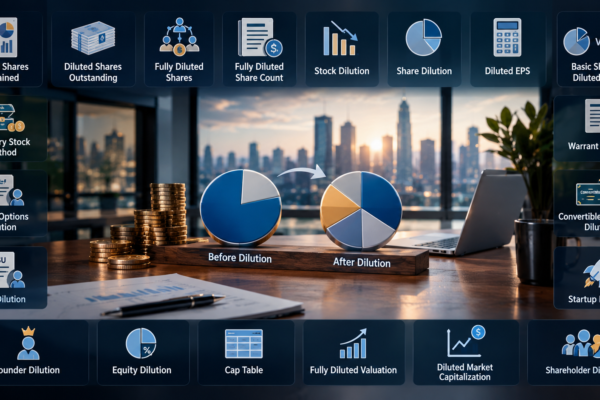
Vivek Iyer21 min readAsk a company how many shares it has and the answer depends on who is asking and why. The number on the cover of a…
 Daniel Carter16 min read
Enterprise Value vs Equity Value: What Is a Company Really Worth? Ask three people what a company is worth and you may get three different…
Daniel Carter18 min readA founder with $600,000 in the bank and a hiring plan has one question: will the money last long enough to reach the next milestone?…
Daniel Carter20 min readA startup can post impressive numbers on every dashboard and still be heading toward a cash crisis. Revenue is climbing, the customer count is growing,…
Daniel Carter47 min read