
From SaaS Idea to Successful Launch: How to Validate, Build, Market, and Launch a Product People Actually Want
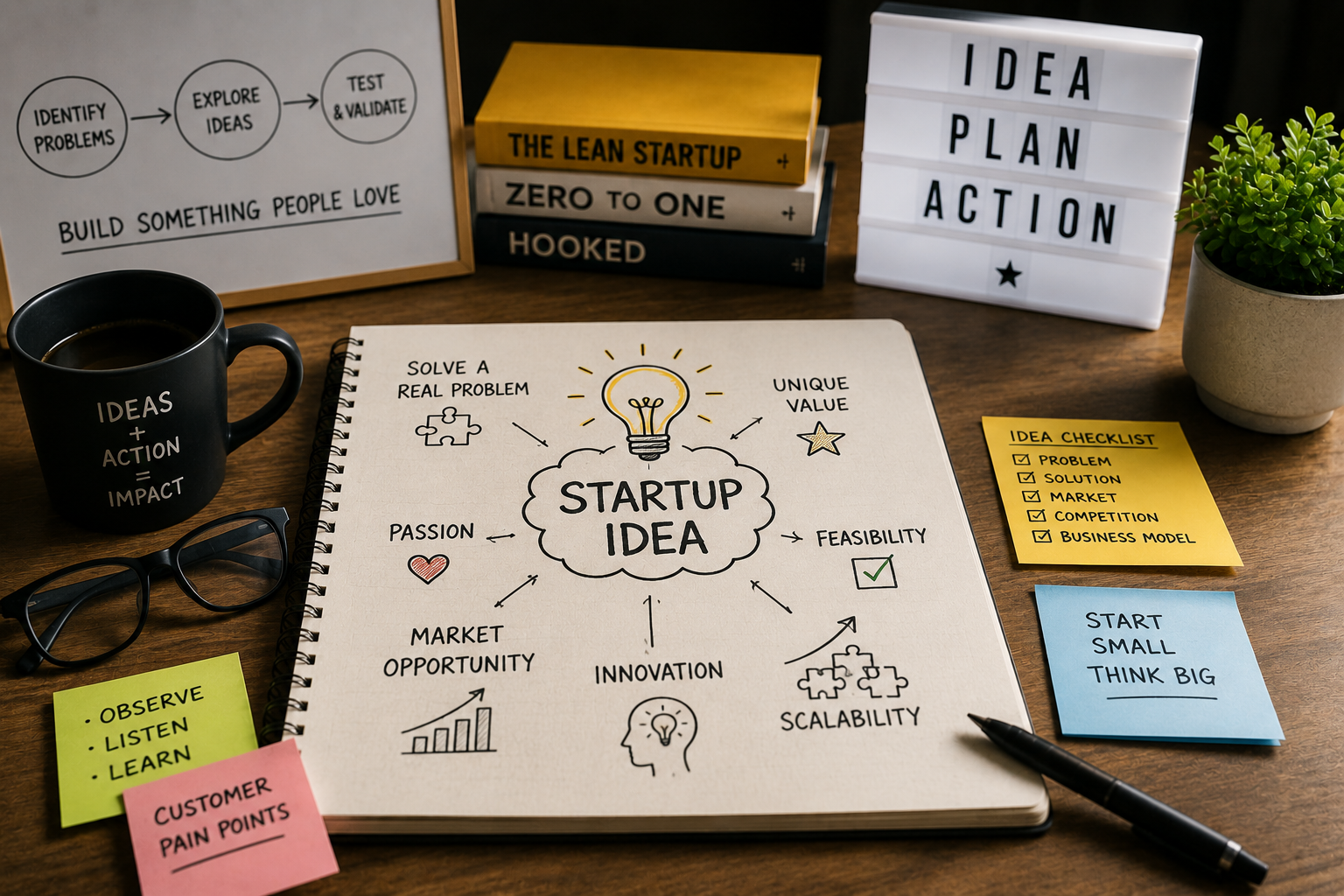
Most SaaS products don’t fail because the code was bad. They fail because nobody validated whether the problem was real, whether the right customer existed, or whether anyone was actually willing to pay before months went into building it. This…
Monolith vs Microservices: How Should You Architect a Real SaaS Application?
Every SaaS founder eventually asks the same question, usually at the worst possible time: should this be a monolith or microservices? The honest answer is almost never “microservices, obviously” — despite how often that’s the assumption…
Unit Economics Explained: How Businesses Know If Each Customer Makes Money
Growth is the easiest number in business to get excited about, and the easiest one to misread. A company can post rising revenue, climbing user counts, and strong website traffic — and still be a fundamentally broken business underneath. The question…
Product-Market Fit Explained: How Startups Know When Customers Actually Want Their Product
What Is Product-Market Fit? Product-market fit (PMF) is the state where a specific product genuinely satisfies a specific market’s real, significant demand — not a feeling, not a launch milestone, and not a number on a dashboard, but accumulated…
Why “Everyone” Is the Wrong Customer for Your Startup
What Is an ICP? An Ideal Customer Profile (ICP) is a specific, evidence-based description of the customer a business is best positioned to serve profitably — the customer whose problem is serious enough to pay for, who the business can reach efficiently,…
How Startups Build, Test & Validate Products Before Scaling
What Is an MVP, Really? MVP stands for Minimum Viable Product, and each word carries specific meaning that gets lost in casual use. Minimum means the smallest scope that can still do the job — not the cheapest or laziest version possible, but the leanest…
What It Means, How Businesses Calculate It, and Why Investors & Founders Care
What Is EBITDA? EBITDA stands for Earnings Before Interest, Taxes, Depreciation, and Amortization. Each word strips away a specific layer of accounting complexity: “earnings” is the starting profit figure, and the rest of the term removes…
Burn Rate Explained: How Startups Track Cash, Runway, Growth & Survival
What Is Burn Rate? Burn rate is the rate at which a company spends its cash reserves over a given period, typically measured monthly. It’s one of the most important numbers in a startup’s financial life, and one of the most misunderstood —…
High-Income Skills That Become More Valuable With AI
Section 1: The AI Skill Reset For decades, knowing how to execute a task was itself valuable: how to write clean code, format a report, draft a contract clause, build a spreadsheet model. AI is compressing the value of execution alone, because it can now…
Payment Gateway vs Payment Processor: Understanding the Technology Behind Every Online Transaction
Ask most people to explain the difference between a payment gateway and a payment processor, and you’ll usually get a blank look, or an answer that conflates the two entirely. That confusion is understandable — from a merchant’s dashboard,…