

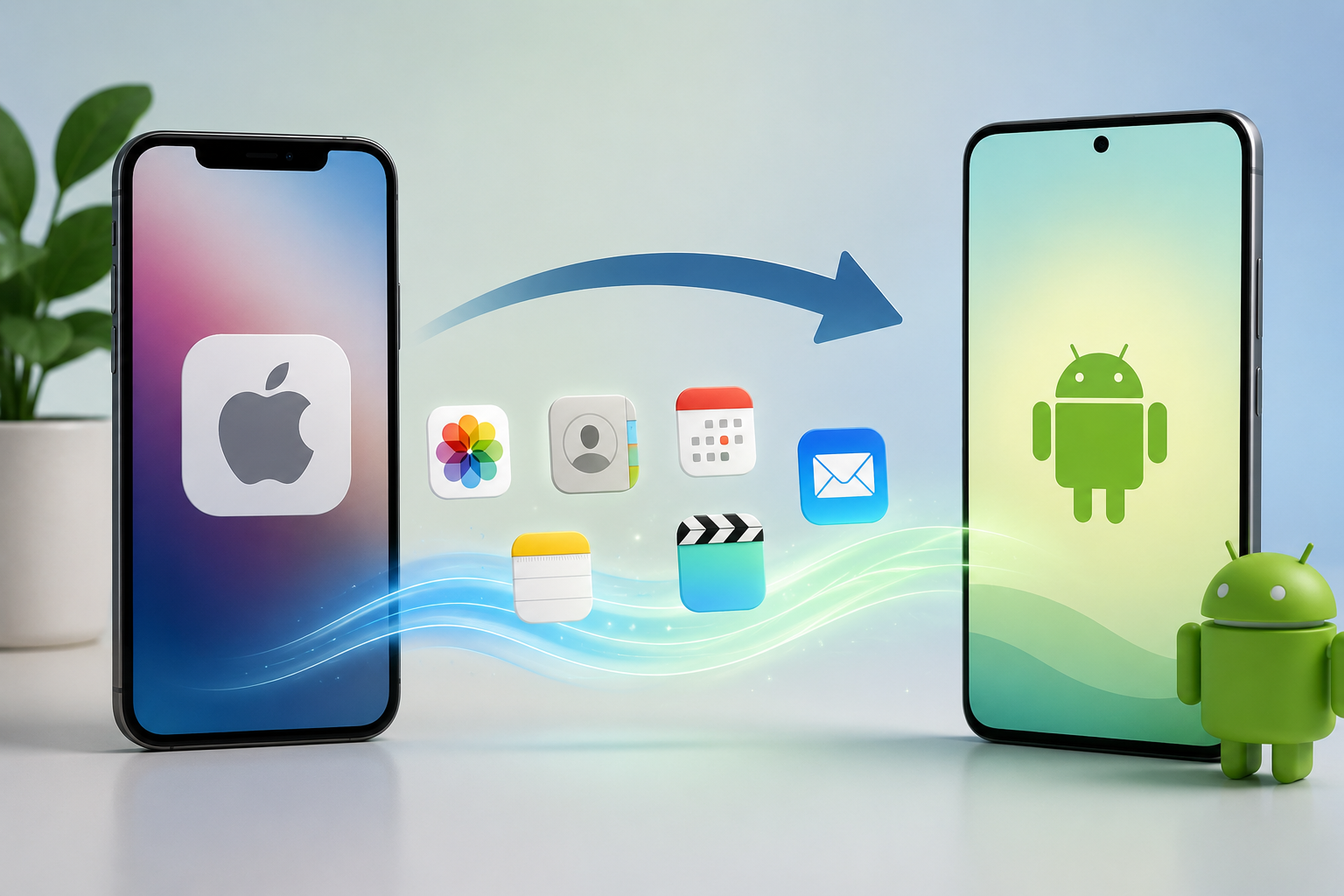
Moving from an iPhone to an Android phone has traditionally been a frustrating experience. Concerns over losing photos, contacts, messages, and app data have discouraged many users from making the switch. Google is now addressing this challenge by improving its migration tools, making it easier than ever for iPhone users to transition to Android without sacrificing their important data.
The latest enhancements are part of Google’s broader strategy to reduce switching barriers, attract more premium smartphone buyers, and strengthen the Android ecosystem. For users considering a change, the process is becoming significantly faster, more reliable, and less stressful.
Why Google Is Improving the Switching Experience
The smartphone market has matured, and most consumers already own a capable device. Instead of convincing first-time smartphone buyers, manufacturers are now competing to win customers from rival ecosystems.
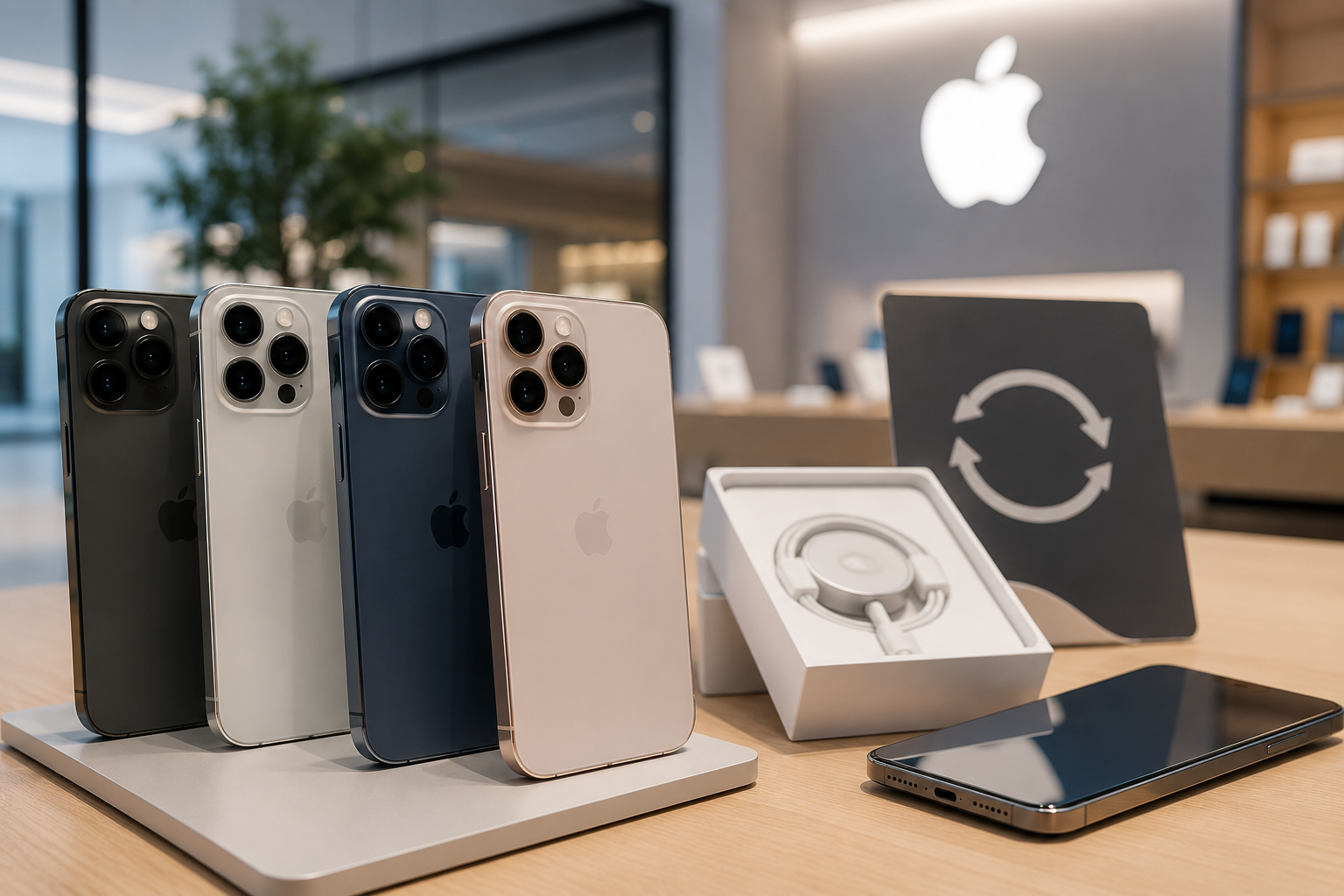
Apple has long benefited from a tightly integrated ecosystem that makes users hesitant to leave. Photos, messages, cloud storage, wearable devices, and subscriptions often create a sense of lock-in.
Google’s improved migration tools aim to remove that friction. By simplifying data transfers and minimizing setup time, Android manufacturers have a better chance of attracting users looking for more hardware choices, AI-powered features, or better value.
What’s New?
Google continues to enhance Android’s built-in setup process and data transfer capabilities, allowing users to move their digital life from an iPhone with fewer manual steps.
Depending on the Android device, users can now transfer:
- Contacts
- Photos and videos
- Messages
- Calendars
- Notes
- Wi-Fi settings
- Wallpapers
- Call history
- Apps where compatible
The setup process has become more intuitive, with clear instructions that guide users through each step while reducing the chances of losing important information.
Key Benefits for Users
Faster Device Setup
Instead of spending hours manually copying files and downloading content, users can migrate most of their data during the initial device setup.
This significantly reduces downtime and allows users to start using their new phone almost immediately.
Less Risk of Losing Data
One of the biggest concerns when switching ecosystems is losing cherished memories or important information.
Improved transfer tools help preserve:
- Family photos
- Videos
- Contacts
- Calendar appointments
- Messages
- Documents
The result is a smoother transition with greater confidence that essential data remains intact.
Reduced Learning Curve
Modern Android devices increasingly provide familiar navigation, gesture controls, and setup experiences.
Combined with Google’s migration improvements, users can adapt to Android more quickly without feeling overwhelmed.
Better Access to AI Features
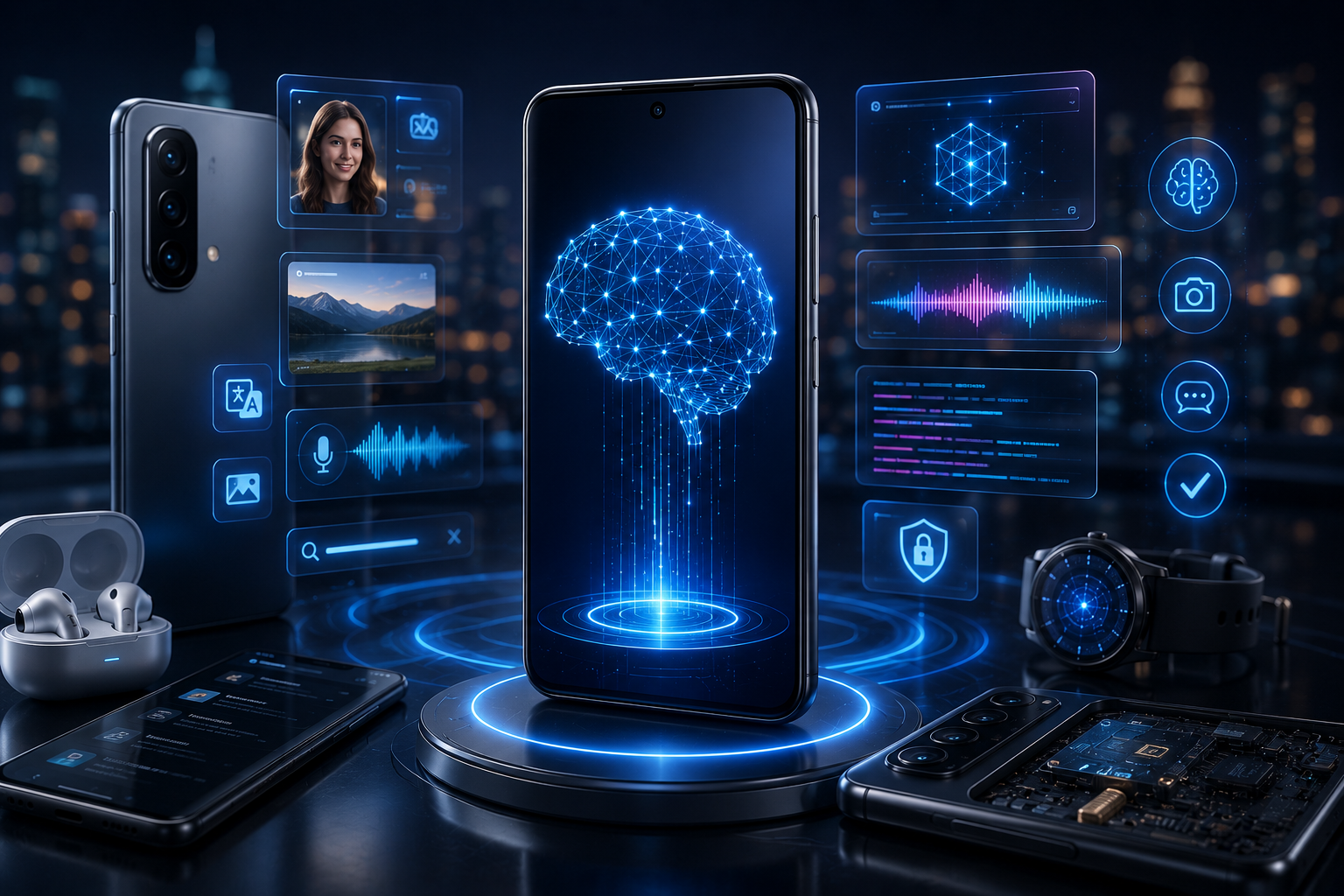
Many of the latest Android smartphones now integrate advanced artificial intelligence features such as:
- AI-powered photo editing
- Real-time translation
- Voice summarization
- Smart search
- Productivity assistants
A simpler migration process allows users to experience these innovations without the complexity traditionally associated with changing ecosystems.
More Hardware Choices
Unlike Apple’s single-device ecosystem, Android offers smartphones across multiple price ranges and form factors.
Users can choose devices with:
- Foldable displays
- Larger batteries
- Faster charging
- Gaming-focused hardware
- Professional-grade cameras
- Budget-friendly pricing
Making switching easier enables consumers to select the device that best fits their needs rather than remaining tied to a single platform.
Why This Matters for Google
Reducing switching friction is about more than convenience—it is a strategic move to grow Android’s market share.
Every successful migration brings new users into Google’s ecosystem, increasing engagement with services such as:
Greater ecosystem adoption also creates opportunities for increased advertising, cloud subscriptions, and digital service revenue.
Could This Impact Apple?
Apple’s ecosystem has historically been one of its strongest competitive advantages. The perceived difficulty of leaving has contributed to high customer retention rates.
As Google makes migration simpler, some consumers may feel more comfortable exploring Android alternatives, especially if they are seeking:
- Better value for money
- Innovative hardware designs
- AI-powered features
- Greater device customization
While Apple’s loyal customer base remains strong, reducing migration barriers gives Android manufacturers a stronger opportunity to compete for premium smartphone users.
Things Users Should Know Before Switching
Although the migration experience has improved significantly, some limitations still exist.
Certain iOS-exclusive apps and services may not have direct Android equivalents. Features such as iMessage and FaceTime require alternative messaging and video-calling apps. Users should also verify that any purchased apps or subscriptions are available on Android before making the switch.
Even so, for most users, transferring everyday data—including contacts, photos, videos, and calendars—is now much easier than it was just a few years ago.
Conclusion
Google’s continued efforts to simplify switching from iPhone to Android reflect the evolving competition in the smartphone market. Rather than focusing solely on hardware specifications, companies are increasingly investing in making the user experience seamless from the very first setup.
For consumers, the benefits are clear: less time spent migrating data, lower risk of losing important information, and greater freedom to choose the smartphone ecosystem that best suits their needs. As migration tools continue to improve, switching between platforms may soon become as simple as setting up a new phone.




Leave a Reply